Healthy vision shapes how you work, read, drive, and enjoy everyday life. Many eye conditions progress quietly — which is why early evaluation and clear information matter. This guide covers the essentials patients ask about most often at Prime Vision Eye Care and Laser Centre in Rajkot.
1. Why a Comprehensive Eye Check-up Matters
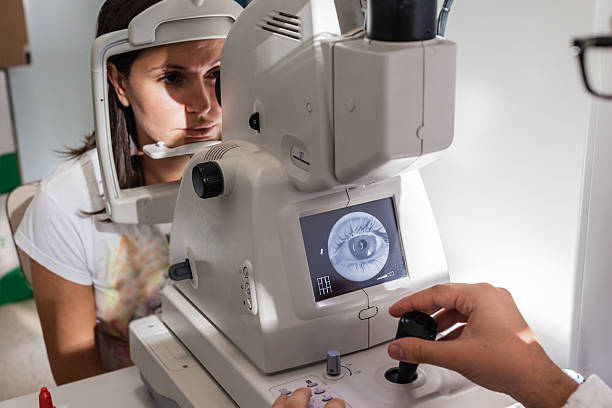
A complete eye examination looks beyond how clearly you see letters on a chart. It assesses eye pressure, the health of the retina, the clarity of the lens, and how your eyes work together — helping detect problems before they affect daily life.
- Adults should have a thorough eye exam at least once every 1–2 years, or sooner if symptoms appear.
- People with diabetes, a family history of glaucoma, or previous eye surgery may need more frequent reviews.
- Children benefit from early screening to catch refractive errors and squint before school performance is affected.
2. Common Conditions We Diagnose Early
Cataract
Cataract clouds the natural lens and is one of the most treatable causes of reduced vision. Modern sutureless micro-phacoemulsification with premium lens options can restore clarity and, for many patients, reduce dependence on glasses.
Refractive Errors (Myopia, Hyperopia & Astigmatism)
These focusing problems are corrected with glasses, contact lenses, or laser vision correction such as Contoura Vision, Femto LASIK, or SILK — chosen after detailed corneal mapping and suitability testing.
Glaucoma
Often called the “silent thief of sight,” glaucoma can damage the optic nerve without early warning. Pressure checks, visual field testing, and OCT imaging help catch it when treatment can still protect remaining vision.
Diabetic Retinopathy & Dry Eye
Diabetes can quietly injure the retina; regular retinal imaging is essential. Dry eye causes burning, grittiness, and fluctuating clarity — and responds best to a personalised plan rather than drops alone.
3. A Simple Care Timeline
Suggested review intervals for common patient groups
| Who | Recommended review |
|---|---|
| Healthy adults (no known eye disease) | Every 1–2 years |
| Contact lens wearers | Every 12 months |
| People with diabetes | At least once a year |
| Known glaucoma or high eye pressure | As advised by your specialist |
| After cataract or laser surgery | Follow your post-op schedule |
4. Protecting Your Eyes Every Day
- Follow the 20-20-20 rule during screen work: every 20 minutes, look 20 feet away for 20 seconds.
- Wear UV-protective sunglasses outdoors and safety eyewear for dusty or high-risk tasks.
- Keep blood sugar, blood pressure, and cholesterol well controlled — they directly affect retinal health.
- Avoid rubbing your eyes and never share eye drops or contact lenses.
5. Your Next Step at Prime Vision
Whether you need a first check-up, cataract counselling, laser suitability assessment, or ongoing glaucoma and retina care, Prime Vision brings fellowship-level ophthalmology to Rajkot under one roof — led personally by Dr. Nandish R. Mashru.
Book a consultation to get clear answers, a precise diagnosis, and a treatment plan built around your eyes and lifestyle.
Tags:
- Best Eye Hospital in Rajkot
- Cataract Surgery
- LASIK & Vision Correction
- Glaucoma Care
- Comprehensive Eye Check-up
- Diabetic Eye Care